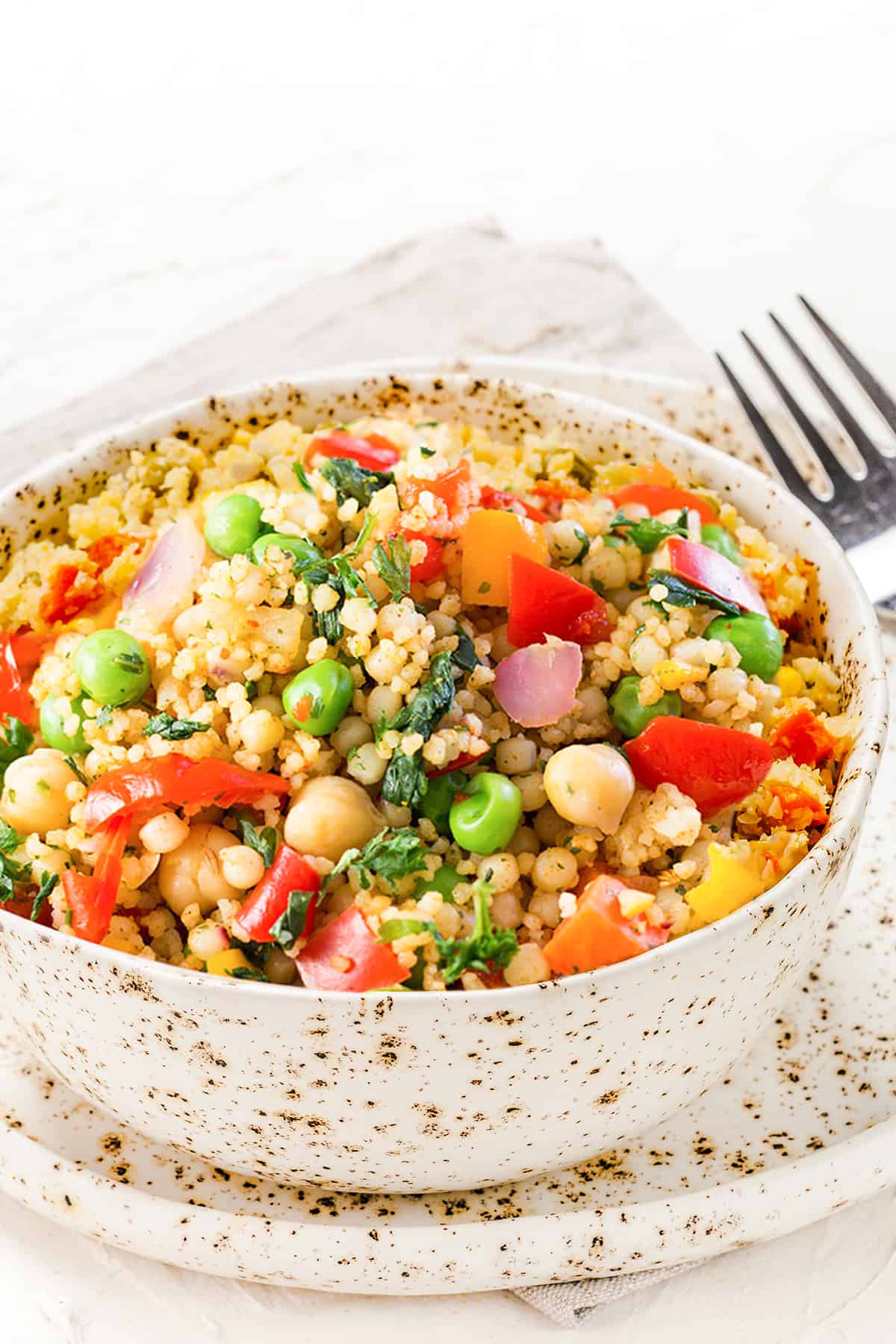
Vegan Moroccan Couscous: A Culinary Journey in a Single Pot
Imagine a dish that’s not only bursting with vibrant flavors and rich aromas but also incredibly simple to prepare, healthy, and versatile enough for any meal of the day. Welcome to the world of
moroccan spiced vegetable couscous, a true one-pot wonder that brings the exotic tastes of North Africa directly to your kitchen. Far from being just a side, this vegan rendition transforms humble vegetables and fluffy grains into a satisfying, full-fledged meal that caters to both busy weeknights and special weekend gatherings. It’s a harmonious blend of sweet, savory, mildly spicy, and tangy notes, delivering a delightful experience with every spoonful.
At its heart, this dish is a celebration of plant-based goodness, proving that vegan cuisine can be both deeply flavorful and incredibly nourishing. Whether you're a seasoned chef or just starting your culinary adventure, our guide will illuminate the path to creating an exquisite Moroccan couscous that will undoubtedly become a staple in your meal rotation.
The Irresistible Allure of Moroccan Spices and Flavors
The magic of
moroccan spiced vegetable couscous lies in its intricate spice blend, a symphony of warm and earthy notes that transport your senses to bustling souks and sun-drenched landscapes. This isn't just about heat; it's about depth, complexity, and a captivating aroma that fills your home as it cooks. Traditional Moroccan cuisine often features a delicate balance of spices such as:
*
Cumin: Earthy and warm, a foundational flavor.
*
Coriander: Citrusy and bright, complementing the richer spices.
*
Turmeric: Imparting a golden hue and subtle, peppery notes.
*
Ginger: A zesty warmth that awakens the palate.
*
Paprika: For a gentle smokiness and vibrant color.
*
Cinnamon: A touch of sweet warmth, often used in savory Moroccan dishes.
These spices are masterfully combined to create a "flavor explosion" that is both comforting and exhilarating. The sweetness often comes from ingredients like carrots, bell peppers, or even a touch of raisins, contrasting beautifully with the savory vegetables and earthy chickpeas. The result is a dish that feels wonderfully authentic, a taste of North Africa that’s both vibrant and deeply satisfying. This rich flavor profile is what makes
Experience North Africa: Savory Moroccan Spiced Couscous Recipe so popular, and it's easily achievable in your own kitchen.
Crafting Your One-Pot Moroccan Spiced Vegetable Couscous Masterpiece
One of the greatest appeals of this dish is its simplicity, particularly its "one-pot wonder" status. While there are myriad ways to prepare
moroccan spiced vegetable couscous, the core process remains straightforward, emphasizing ease and efficiency without compromising on flavor.
Here’s a general approach to creating your own delightful bowl:
1.
Sauté the Aromatics: Begin by heating a generous amount of olive oil in a large skillet or Dutch oven over medium heat. Sauté chopped red onion, bell pepper, and carrots until they begin to soften and release their fragrant aromas. This crucial first step builds the foundational flavors.
2.
Introduce the Spices and Vegetables: Add your chosen Moroccan spice blend to the sautéed aromatics, allowing them to toast for about a minute until fragrant. Next, incorporate an array of colorful vegetables. Think beyond the basics – root vegetables like sweet potatoes or butternut squash add a beautiful sweetness and texture, while zucchini, green beans, or even spinach can round out the vegetable medley. For a dish inspired by the "Moroccan Couscous with Seven Vegetables," aim for diversity!
3.
Simmer to Perfection: Pour in vegetable broth (or water) and diced tomatoes. Bring to a simmer, then reduce heat, cover, and let the vegetables cook until tender. This allows the flavors to meld beautifully, creating that rich, brothy stew mentioned in traditional recipes.
4.
Add Earthy Goodness: Stir in hearty chickpeas and a handful of plump raisins during the last few minutes of cooking. Chickpeas add protein and a wonderful creamy texture, while raisins contribute a subtle, sweet burst that's characteristic of Moroccan cuisine. If you like a little extra texture, now is also a great time to stir in cooked beans.
5.
Prepare the Couscous: While your vegetables are simmering, prepare your couscous according to package directions. Typically, this involves simply pouring hot broth or water over the couscous in a bowl, covering it, and letting it steam for a few minutes until fluffy. Fluff with a fork before serving.
6.
Combine and Serve: Spoon the flavorful vegetable stew over a generous bed of fluffy couscous. Garnish with fresh herbs like chopped cilantro or parsley, and for an extra crunch, consider toasted slivered almonds.
For an alternative twist, some recipes call for *roasted* vegetables instead of simmered. Roasting brings out an incredible sweetness and caramelization, adding another layer of depth. Simply roast your chopped vegetables (carrots, bell peppers, zucchini, sweet potatoes) with olive oil and spices until tender and slightly browned, then combine with a pre-made spiced tomato broth and chickpeas before serving over couscous. This method works especially well for those who enjoy a firmer texture in their vegetables. For a super-fast version, check out our guide on
Quick & Healthy Moroccan Vegetable Couscous: Weeknight Meal Solution.
Versatility Beyond the Bowl: Serving Suggestions and Adaptations
The beauty of
moroccan spiced vegetable couscous lies not only in its exquisite flavor but also in its incredible adaptability. This dish truly lives up to its "versatile one-pot wonder" title:
*
A Standalone Meal: With its abundance of vegetables, chickpeas, and satisfying couscous, this dish is a complete and nutritious vegan meal on its own. It's packed with fiber, vitamins, and minerals, ensuring you feel great and stay energized.
*
A Dynamic Side Dish: While perfect as a main, it also makes an excellent side. Pair it with grilled plant-based kebabs, a simple green salad, or even a vegan "merguez" sausage for a heartier ensemble. The reference context even suggests pairing it with Moroccan Chicken, highlighting its traditional role as a flexible accompaniment – easily made vegan by opting for plant-based proteins.
*
Meal Prep Hero: This dish keeps beautifully in the refrigerator for several days, making it an ideal candidate for meal prepping. Prepare a big batch at the beginning of the week, and you’ll have delicious, healthy lunches or quick dinners ready to go.
*
Customization is Key: Don't hesitate to make this recipe your own.
*
Vegetables: Experiment with seasonal produce. Asparagus in spring, green beans in summer, or hearty squash in fall all work wonderfully.
*
Legumes: Beyond chickpeas, consider adding black beans, cannellini beans, or lentils for varied textures and protein boosts.
*
Toppings: Elevate your bowl with a dollop of dairy-free yogurt, a sprinkle of fresh mint, or a generous squeeze of lemon juice for an extra zing. A crunch of toasted nuts or seeds (like pumpkin or sunflower seeds) also adds a delightful contrast.
*
Spice Level: Adjust the spices to your preference. Add a pinch of cayenne pepper or a dash of harissa for more heat, or dial it back for a milder flavor.
Whether you're hosting a dinner party, looking for a quick and healthy family meal, or simply craving something comforting and exotic, this vegan Moroccan couscous adapts easily to your lifestyle. It's ready in about 30-40 minutes, often with less than 15 minutes of active prep, leaving you more time to savor your meal with loved ones.
The Health Benefits of a Hearty Plant-Based Bowl
Beyond its captivating taste,
moroccan spiced vegetable couscous offers an impressive array of health benefits, especially in its vegan form. It’s truly a dish that nourishes your body as much as it delights your palate.
*
Rich in Fiber: The abundance of vegetables and chickpeas provides a significant amount of dietary fiber, essential for digestive health, blood sugar regulation, and prolonged satiety. Couscous itself, especially whole wheat varieties, adds to this fiber content.
*
Packed with Vitamins and Minerals: Each colorful vegetable contributes a unique profile of essential vitamins (like Vitamin A from carrots, Vitamin C from bell peppers) and minerals (such as potassium, magnesium, and iron from various vegetables and legumes).
*
Lean Protein Source: Chickpeas are an excellent plant-based source of protein, crucial for muscle repair, growth, and overall bodily functions.
*
Healthy Fats: Olive oil, a staple in Moroccan cooking, provides monounsaturated fats, known for their heart-healthy benefits.
*
Anti-Inflammatory Spices: Many of the spices used, like turmeric and ginger, possess potent anti-inflammatory and antioxidant properties, contributing to overall well-being.
This dish is a testament to the fact that healthy eating can be incredibly flavorful and satisfying. It’s a guilt-free pleasure that supports a vibrant and energetic lifestyle.
Conclusion
The journey through the flavors of
moroccan spiced vegetable couscous is an enriching one. From its aromatic spices and tender vegetables to its fluffy grains and wholesome chickpeas, this vegan one-pot wonder offers a perfect balance of taste, nutrition, and convenience. It's a dish that inspires creativity in the kitchen while promising a satisfying and healthy meal every time. Whether you’re seeking a quick weeknight dinner, a vibrant dish for entertaining, or simply a comforting bowl of goodness, this versatile Moroccan couscous is ready to become your new culinary obsession. Dive in, experiment with your favorite vegetables and spices, and discover the joy of this incredible plant-based masterpiece.